



Cybersecurity discussions often focus on technology: firewalls, monitoring tools, penetration testing platforms. Yet when incidents occur, the underlying cause is rarely technical, it’s organisational. Responsibilities are unclear, security tasks fall between teams, vulnerabilities are discovered but not resolved, and processes exist in documents but are not embedded in daily work. Secure organisations understand that security is sustained not just by technology, but by operational infrastructure and that begins with people.
Technology can flag vulnerabilities, but people determine whether they are resolved. Recruitment is therefore a critical security decision. Organisations that hire individuals who understand operational discipline, accountability, and collaboration strengthen their ability to manage risk. Clear ownership, defined responsibilities across teams, and collaboration between security, engineering, and operations ensure that security becomes part of daily work rather than a reactive activity.
Retention also plays a crucial role. When experienced team members leave, organisations often lose context on past incidents and mitigation strategies, slowing response times. Structured environments where contributions are visible, accountability is clear, and knowledge is documented help teams maintain operational discipline even as organisations grow.
Training for a Changing Threat Landscape
The offensive security landscape evolves rapidly, from cloud misconfigurations to sophisticated AI-driven attacks. Teams must continuously develop capabilities through ongoing awareness training, technical skill development, and simulated exercises like red teaming, penetration testing, and phishing simulations. These activities expose operational weaknesses early and build stronger responses before attackers exploit them.
Even strong teams struggle when security efforts are disconnected from daily operations. Structured practices such as clearly defined testing scopes, documented rules of engagement, rollback plans, and continuous remediation tracking are essential. Without operational systems, reports highlight vulnerabilities, but ownership is unclear, and remediation slows. Coordinated systems that link people, processes, and execution ensure security is predictable rather than reactive.
Secure organisations coordinate talent, workflows, and accountability rather than relying on fragmented tools or individual memory. Structured operational environments allow teams to:
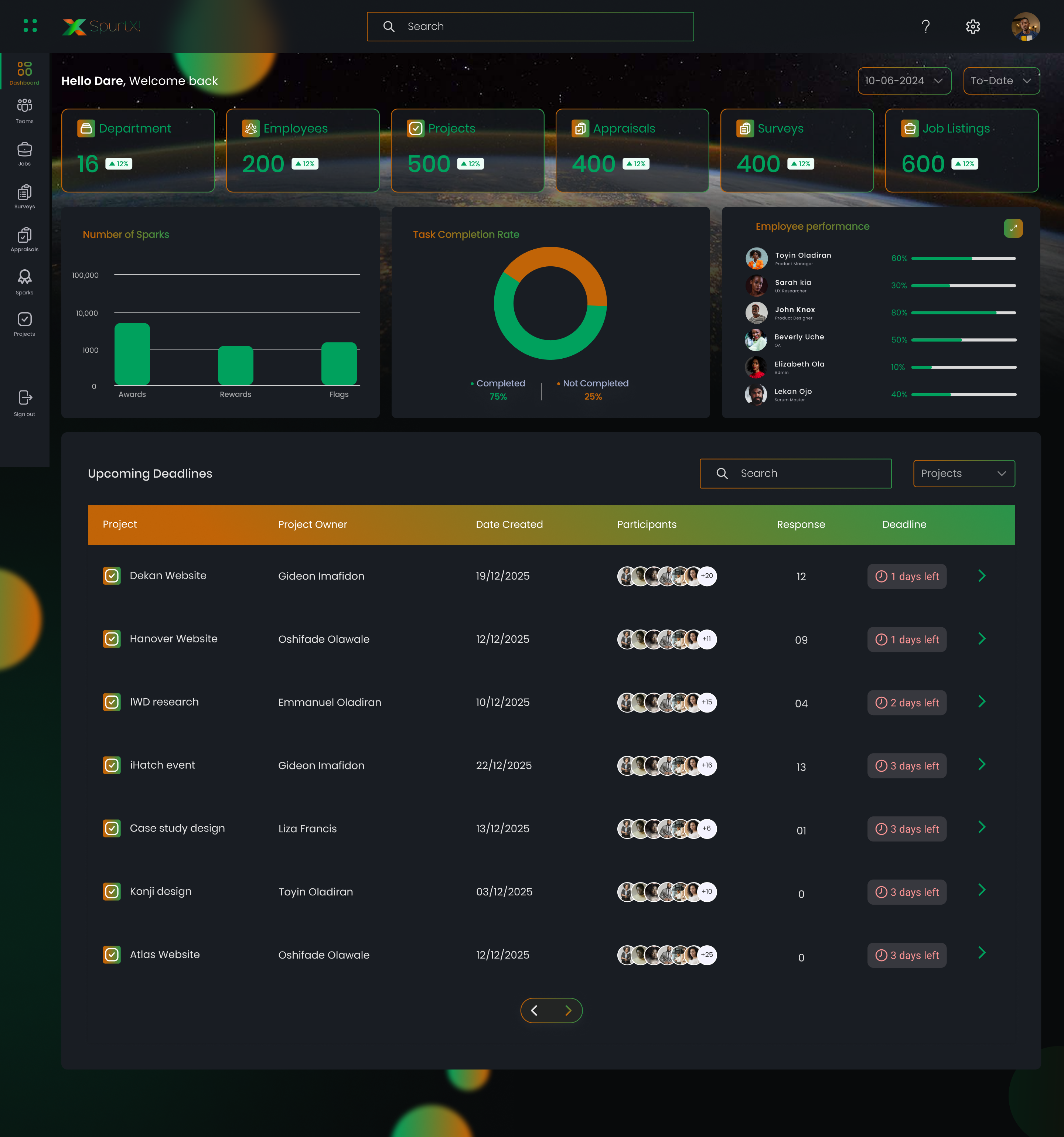
Manage recruitment pipelines and identify the right talent efficiently; Track candidates from application to hiring, maintain structured evaluation criteria, coordinate interview stages across teams, and ensure hiring decisions are documented and aligned with operational needs.
Maintain visibility into performance and operational bottlenecks; Monitor team outputs, track task completion and workload distribution, and identify where delays, resource gaps, or coordination issues are slowing execution.
Recognise and motivate employees to strengthen retention; Create systems for recognising contributions, documenting achievements, tracking engagement, and ensuring employees receive feedback and growth opportunities that keep them committed to the organisation.
Coordinate projects and milestones across teams; Assign clear ownership for tasks, track progress against defined milestones, manage dependencies between teams, and maintain visibility into timelines so projects move forward without confusion.
Manage administrative and operational workflows; Organise internal processes such as approvals, documentation, reporting, and resource allocation so everyday operational activities run smoothly, and teams can focus on execution rather than manual coordination.
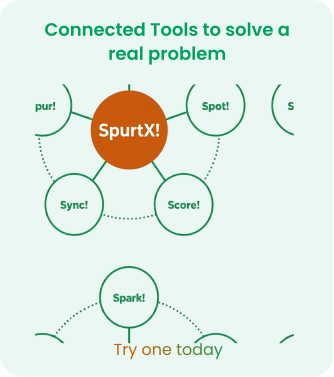
When these functions are integrated, organisations gain clarity, hiring becomes more structured, performance is measurable, and projects advance with coordination rather than confusion. Platforms like SpurtX! bring these functions together, enabling organisations to connect strategy, teams, and execution in a single operational ecosystem.
Security as Organisational Readiness
As regulatory frameworks evolve across Africa; from Nigeria’s NDPA to South Africa’s POPIA and Kenya’s Data Protection Act; organisations must demonstrate that security practices extend beyond policy documents.
Regulators increasingly expect evidence that organisations can:
Conduct structured testing and threat simulations; Plan and run controlled security exercises such as penetration tests, red-team simulations, and vulnerability assessments to identify weaknesses in systems, infrastructure, and operational processes before they can be exploited.
Track remediation activities; Record identified vulnerabilities, assign remediation tasks to the appropriate teams, monitor progress toward resolution, and ensure fixes are implemented, verified, and documented within defined timelines.
Maintain clear accountability across teams; Define ownership for security responsibilities across engineering, operations, and leadership so every issue has a responsible team or individual, reducing delays and preventing tasks from falling between departments.
Document security processes and governance decisions; Maintain clear records of security policies, testing scopes, incident responses, approval workflows, and governance decisions to ensure consistency, audit readiness, and alignment with regulatory expectations.
Achieving this requires operational systems where technology identifies vulnerabilities, processes guide responses, governance ensures oversight, and people execute consistently.
When these elements operate within a unified infrastructure, security becomes predictable rather than reactive.
Take the Next Step

Building a secure organisation requires more than good intentions. It requires systems that connect talent, operations, and governance so teams can execute consistently.
If you want to understand how offensive security testing, governance frameworks, and operational discipline fit together, download the full Offensive Security Playbook. The guide provides a practical framework for implementing structured security testing, remediation processes, and compliance readiness.
Organisations ready to move beyond fragmented tools can also explore SpurtX!, a platform designed to help growing businesses coordinate recruitment, team management, performance visibility, and project execution within one operational ecosystem.
You can:
Download the Offensive Security Playbook to explore the full framework for offensive security and operational readiness.
Request a demo of SpurtX! to see how integrated operational tools help teams coordinate people, projects, and accountability at scale.
Speak with the Spurt Solutions team if your organisation needs support implementing structured security testing or operational systems.