


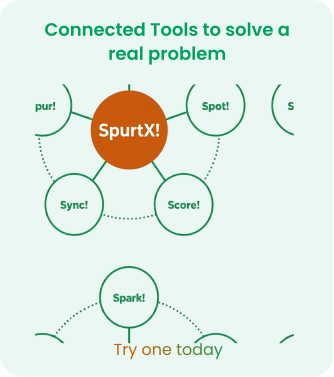
According to the Startups Team. (2026). What is a startup accelerator? Startups.com. the startup accelerator playbook follows a predictable script: provide seed capital, offer a few months of intense mentorship, host a high-profile Demo Day, and send founders out into the venture capital wild. But as the global startup ecosystem has matured, capital has commoditised. High-potential founders no longer choose an accelerator simply for a check. They choose an accelerator for its platform support specifically, its ability to solve their single greatest operational pain point: hiring top talent at scale. Early-stage companies don’t just fail because they run out of money, they do because of the delayed time frame in building the right team. Recognising this, forward-thinking venture studios, incubators, and accelerators are transforming their business models. The modern startup accelerator’s value proposition isn't just funding; it’s the ability to act as a centralized talent engine that matches top-tier talent with rapidly scaling portfolio companies. To win the venture game today, ecosystem managers must move past passive networking and build a structured, centralised talent ecosystem. Why Talent Support is the Ultimate Venture Value-Add In the early stages of a startup's lifecycle, the founding team is everything. Yet, a seed-stage founder wears a dozen different hats product manager, salesperson, fundraiser, and customer support representative. Expecting them to also act as an expert head hunter, sourcing from an elite talent pipeline while building a product from scratch, is a recipe for operational gridlock. When accelerators step in to absorb the burden of early-stage recruitment, they provide a competitive advantage that money cannot buy. Centralized talent support yields three distinct benefits for portfolio companies: Decreased Time-to-Hire: Early-stage startups lack a recognised employer brand. By leveraging the accelerator’s broader brand equity, portfolio companies can attract high-caliber job applicants who might otherwise overlook an unknown 5-person company. Mitigated Hiring Risks: A bad hire at the seed stage can kill a company. Accelerators protect their investments by vetting, pre-screening, and filtering candidates through a rigorous, standardised recruitment process before introducing them to founders. Operational Velocity: When founders don't have to spend 20 hours a week scanning resumes, they can focus entirely on product-market fit, customer acquisition, and hit their growth milestones faster. Ultimately, offering centralized recruitment shifts the accelerator’s role from a passive investor to an active operational partner, significantly increasing the valuation and survival rate of its entire portfolio. The Logistics Nightmare of Managing 20+ Discrete Hiring Pipelines While the theory of centralized venture recruitment is flawless, the operational execution is notoriously complex. Managing a talent acquisition strategy for a single corporation is challenging enough; managing recruitment across a cohort of 20, 50, or 100 independent, fast-growing startups is a logistical nightmare. Without the right infrastructure, accelerator program managers and talent leads quickly find themselves drowning in recruitment chaos. The roadblocks are predictable: Siloed Communications: Information gets trapped in fragmented channels. Recruiters find themselves constantly juggling disparate Slack workspaces, endless email threads, and localised spreadsheets for every individual portfolio company. Loss of Candidate Data: When an excellent candidate interviews at Startup A but isn't a perfect culture fit, their data is often lost forever. There is no mechanism to seamlessly transition that candidate to Startup B, who might be desperately looking for that exact skill set. Lack of Pipeline Visibility: Program managers are often left in the dark regarding the hiring health of their portfolio. They cannot easily see which companies are struggling to close roles, where candidates are bottlenecked, or which positions are stalling out. Without a dedicated framework, the dream of an integrated talent network devolves into an administrative mess of mismatched calendar invites and forgotten resumes. Moving from Reactive Recruiting to Proactive Talent Pools Let's look at the Hiring for Startups: Compete for Talent on a Lean Budget (2026) , most early-stage hiring is inherently reactive. A startup loses an engineer or suddenly closes a seed round, panics, posts a job description on an aggregate board, and prays for quality applicants. For accelerators trying to fuel an entire ecosystem, this reactive "post-and-pray" model is unsustainable. The most successful accelerators treat talent acquisition as an evergreen product. They shift from reactive sourcing to building proactive talent poolsdynamic communities of vetted professionals who are actively looking to join high-growth startups, even if the perfect role isn't open today. Building a proactive talent ecosystem requires a structured approach to candidate nurturing. When a world-class product designer or growth marketer applies to the accelerator’s talent network, they shouldn't just be filed away. They need to be tagged by core competencies, experience levels, and cultural preferences. By maintaining a continuous, warm stream of pre-vetted professionals, the accelerator can instantly deploy talent the moment a portfolio company signals a hiring need. This transforms recruitment from a multi-month bottleneck into an on-demand resource. The Art of the Perfect Match: Shared Databases vs. Siloed Portfolios The core challenge of managing an ecosystem-wide applicant tracking system (ATS) lies in balancing centralized visibility with decentralized execution. Many accelerators attempt to solve this by forcing all portfolio companies into a single, massive shared database. However, this creates an algorithmic free-for-all. Founders accidentally poach candidates from their peers, candidate data privacy is compromised, and the noise level makes the software unusable for individual hiring managers who only want to see people relevant to their specific open roles. Conversely, keeping portfolios entirely siloed defeats the purpose of an accelerator network. If every startup operates on its own isolated hiring platform, the accelerator team loses the high-level oversight required to step in, make cross-company introductions, and track macro talent trends across the cohort. The solution requires a delicate architectural balance: a system that offers high-level visibility for the platform managers, paired with clean, private, functional workspaces for individual startup hiring teams. From Pipeline to Placement: How Spot! Solves Ecosystem Chaos This exact structural friction is why Spot!, the specialised applicant tracking system by SpurtX!, was engineered. Built specifically for scaling businesses, accelerators, and incubators, Spot! replaces recruitment chaos with structured, visual pipelines designed to manage talent networks at scale. Features Built for Scale: Visual Pipeline Tracking: Move candidates effortlessly from initial screening to technical evaluation to final placement without anything falling through the cracks. Centralised Sourcing, Decentralised Execution: Screen talent once at the accelerator level, then securely tag and distribute candidates to the specific hiring managers who need them most. Frictionless Collaboration: Keep internal investment teams, platform leads, and external founders perfectly aligned with unified candidate notes, shared evaluations, and real-time status updates. Capital may get a startup off the ground, but talent keeps it in the air. By ditching chaotic spreadsheets and upgrading to an ATS designed for complex startup environments, modern accelerators can deliver on their ultimate promise: providing the foundational talent infrastructure their portfolio needs to scale from day one. Ready to build a hiring process that works for your team? See how Spot! supports talent hiring.
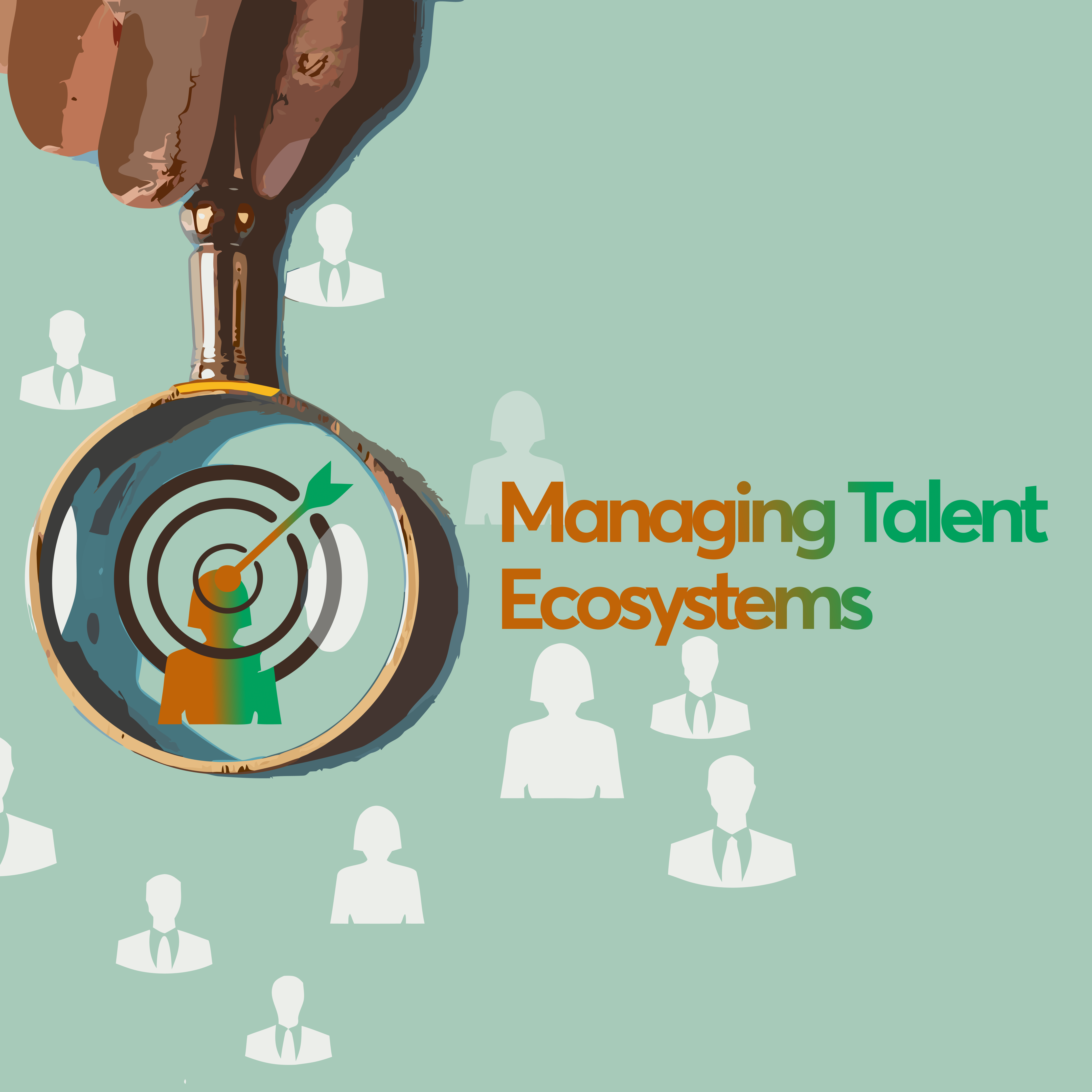
Managing Talent Ecosystems: How Accelerators Drive Portfolio Growth Through Centralized Hiring
Posted on
June 23rd, 2026
Similar Articles

How to Build a Performance Appraisal System That Actually Works for Growing Teams
Posted On
June 10th, 2026

Performance Appraisal Bias: Why Your Best Employees Go Unrecognised
Posted On
June 3rd, 2026

How to fix Broken Performance Appraisals in Most African SMEs
Posted On
May 27th, 2026

Cybersecurity Regulation in Ghana Is Tightening - Most Business Systems Are Not Ready
Posted On
May 19th, 2026

Embrace the future of work with SpurtX!

collaboratewith@spurtX.tools
©2026 SpurtX! by Spurt! All Rights Reserved


